Why Are My Teeth Yellow? The Real Causes of Tooth Discoloration
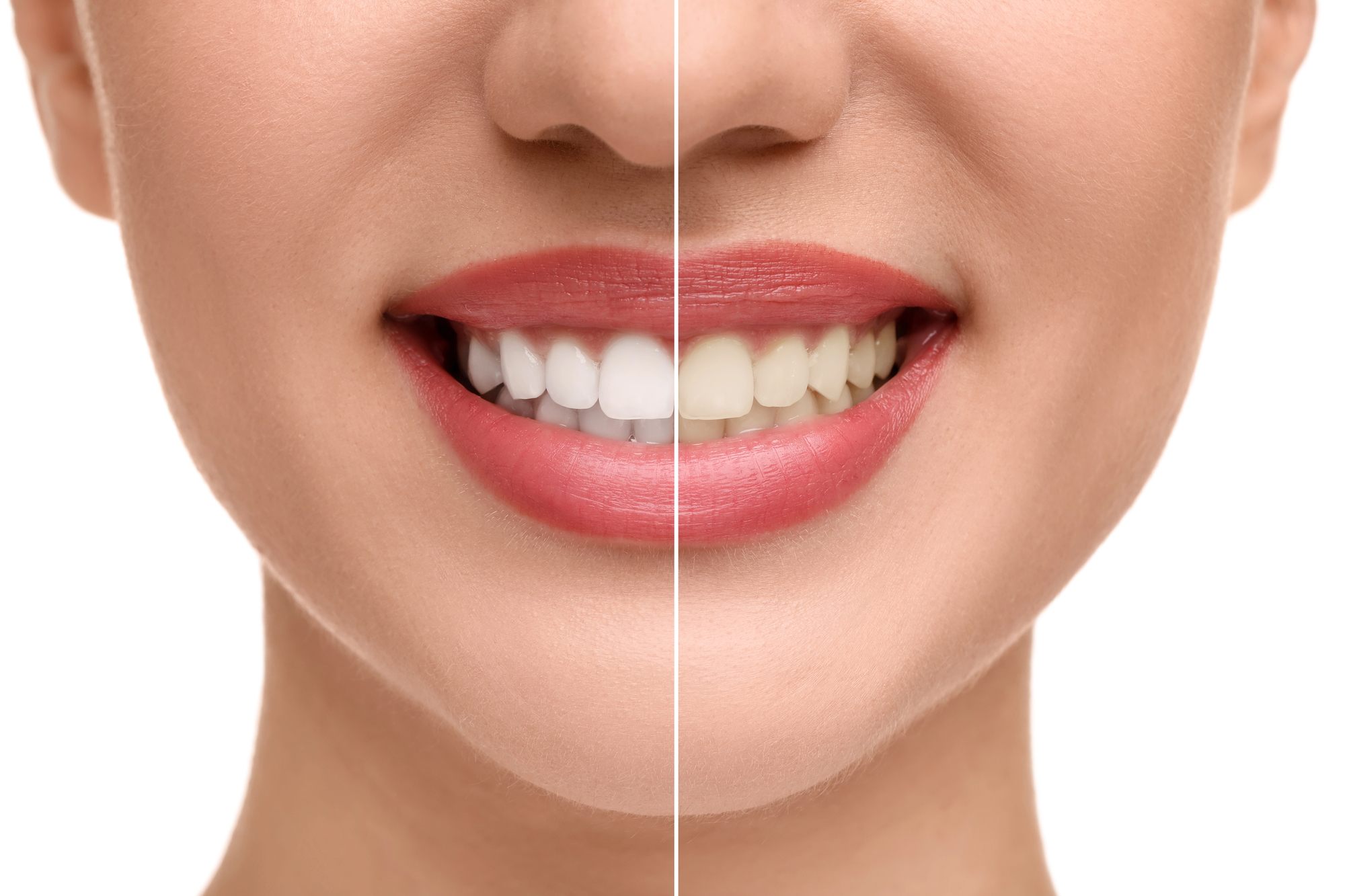
Maybe you noticed it in a recent photo, or under the bright light of a bathroom mirror. Your smile looks a shade or two duller than it used to. Tooth discoloration is incredibly common, but its causes vary. If you're considering teeth whitening in Waxhaw, understanding where the discoloration comes from is the first step toward choosing the right treatment.
Knowing the difference can save you time, money, and frustration with products that may not work for your type of stain.

The Two Main Types of Tooth Discoloration
Dentists generally group discoloration into two categories: stains on the surface of the tooth and changes that start from within.
Surface Stains
Surface stains, also called extrinsic stains, sit on the outer layer of enamel. They usually build up gradually from everyday habits, including:
- Dark sodas and deeply pigmented berries
- Plaque buildup from inconsistent brushing and flossing
Over time, these pigments can settle into tiny pores in the enamel, which is why stains often become more noticeable with age.
Luckily, surface stains are often the easiest to improve. Professional cleanings can remove some of the buildup, and whitening tends to work best on this type of discoloration.
Discoloration from Within
Intrinsic discoloration develops beneath the enamel, in the inner layer of the tooth called dentin. Because it starts inside the tooth, it can be harder to change.
Common causes include:
- Thinning enamel with age, which lets the yellower dentin show through
- Certain antibiotics taken during childhood
- Too much fluoride exposure while teeth are still developing
- A past injury to the tooth
A single tooth that turns gray or darker after an injury deserves a closer look, since it can signal a problem inside the tooth. If you notice this kind of change, treat it like other dental emergencies and have it checked promptly.
What Whitening Can and Can't Change
Whitening is most effective on surface stains from food, drinks, and tobacco. Deeper discoloration from medications, injury, or aging may not respond as well. In those cases, a dentist may suggest a different approach to even out the color.
It's also important to know that whitening only works on natural enamel. Existing crowns and fillings won't change color, so they may stand out after treatment. If you have older restorations, planning whitening and replacements together, including options like same-day crowns, helps everything match.
Whitening also isn't the right first step for everyone. Teeth with untreated cavities or irritated gums typically need care before any cosmetic treatment, so an exam beforehand helps make sure whitening is safe and comfortable.
Explore Teeth Whitening in Waxhaw Today
Every smile is different, and so is every stain. A dental exam can pinpoint what's behind your discoloration and the best way to brighten your teeth.
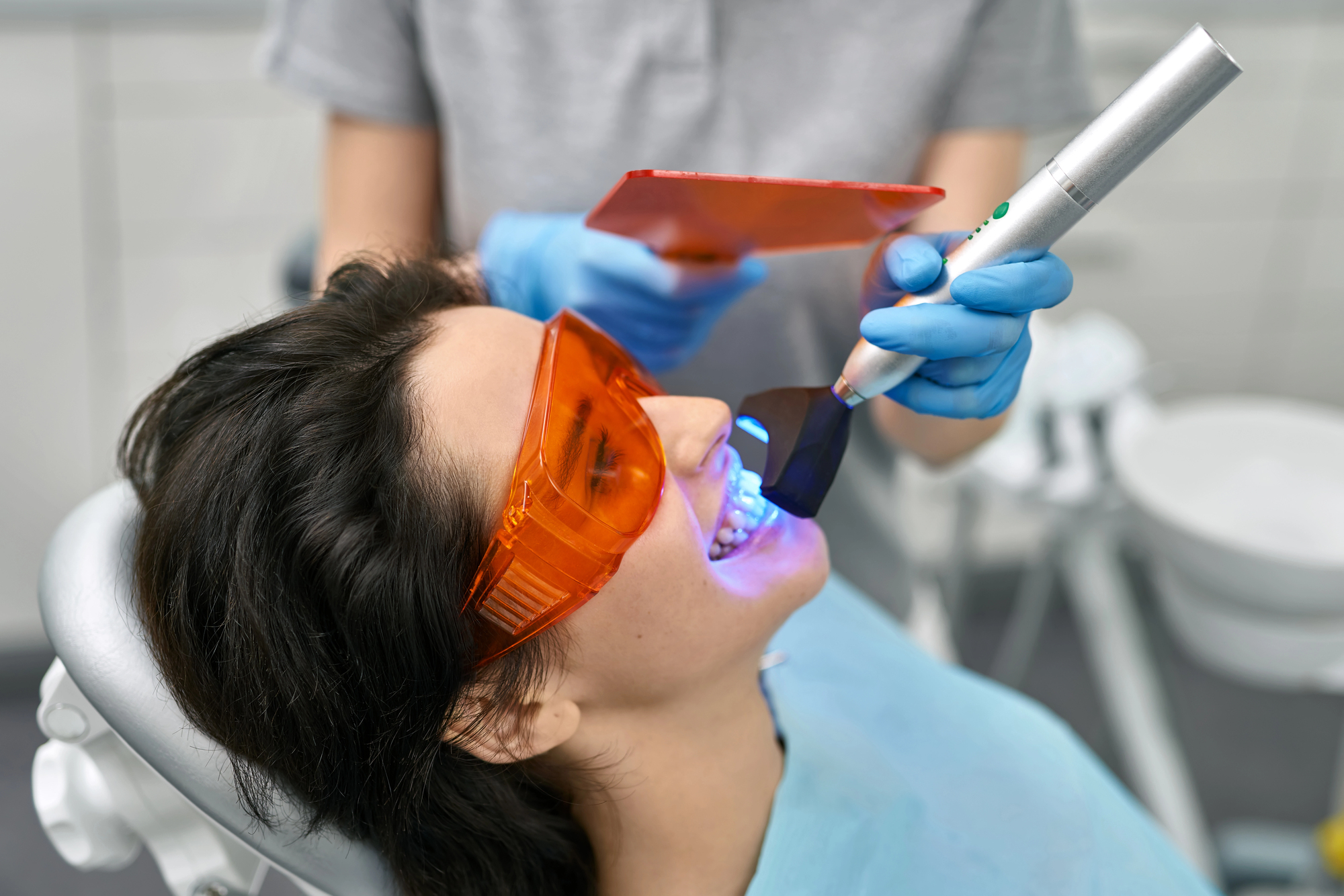
At Reafield Dental, our doctors take time to understand your goals and recommend gentle, conservative treatments tailored to you. We offer both in-office whitening and at-home whitening kits, so you can choose the option that best fits your schedule and goals.
Schedule a visit today to start your path to a brighter smile!
Related Posts

Are You a Good Candidate for All-on-4® Treatment?

Is There a Right Age for Dental Implants? What Really Matters
Why Are My Teeth Yellow? The Real Causes of Tooth Discoloration